

Sample Text Medicines
Ayurvedic Medicines – Personalized Healing from the Roots
What is Panchakarma Treatment?
At Shree Vallabh Ayurveda Ashram & Parineeta Women Wellness Clinic, we believe that medicines are most effective when they are prescribed according to an individual’s unique constitution (Prakriti), disease condition (Vikriti), digestive strength (Agni), and lifestyle.
With over 16 years of clinical experience and treatment of thousands of patients, we provide carefully selected Ayurvedic medicines as part of a comprehensive healing program.
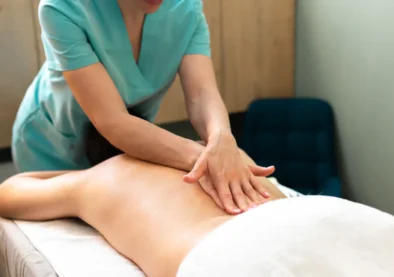
Panchakarma is done individually for each person with their specific constitution and specific disorder in mind, thus it requires close observation and supervision. Treatment starts with pre-purification Measures of Snehan and Svedana, and then cleansing methods – Shodanas are applied.
Why Ayurvedic Medicines?
Unlike conventional medicine that often focuses on symptom management, Ayurveda aims to identify and address the root cause of disease. Ayurvedic medicines work by:
Supporting the body’s natural healing mechanisms
Conditions We Commonly Treat with Ayurvedic Medicines
Joint and Spine Disorders
Digestive & Metabolic Disorders
This Ayurvedic cleansing involves induced vomiting to eliminate excess mucus and toxins in your body. It’s typically used to help treat respiratory and digestive tract disorders.
Vamana: Emesis Therapy
When there is congestion in the lungs causing repeated attacks of bronchitis, colds, cough, or asthma, the Ayurvedic treatment is therapeutic vomiting, vamana, to eliminate the kapha causing the excess mucus.
Oftentimes this also releases repressed emotions that have been held in the kapha areas of the lungs and stomach along with the accumulated dosha. Once the mucus is released, the patient will feel instantly relieved. It is likely that congestion, wheezing, and breathlessness will disappear and that the sinuses will become clear.
Therapeutic vomiting is also indicated in chronic asthma, diabetes, chronic cold, lymphatic congestion, chronic indigestion, and edema. After vamana, resting, fasting, smoking certain herbal cigarettes, and not suppressing natural urges (i.e., urination, defecation, gas, sneezing, coughing) is recommended.
If vamana is administered properly, the person should feel relaxation in the lungs, will be able to breathe freely, will have lightness in the chest, clear thinking, a clear voice, and a good appetite, and all symptoms of congestion
Women’s Health & Hormonal Wellness
Stress & Lifestyle Disorders
Personalized Medicine, Not One-Size-Fits-All
Every prescription is individualized after a detailed Ayurvedic consultation. Factors considered include:
This personalized approach helps achieve sustainable and long-term results.
Quality and Authenticity
We prescribe high-quality Ayurvedic formulations sourced from trusted manufacturers and traditional classical preparations wherever appropriate.
These may include:
Integrating Medicines with Panchakarma

Ayurvedic medicines often work best when combined with Panchakarma therapies, dietary modifications, yoga, and lifestyle guidance.
This integrated approach helps:
Purgatives help relieve the excess pitta causing the bile disturbance in the body. In fact, purgatives can completely cure the problem of excess pitta. When purgatives are used, the patient should not eat foods that will aggravate the predominant humor or cause the three humors to become unbalanced.
Our Treatment Philosophy
We do not merely treat reports or symptoms. We treat the person as a whole.
Our goal is to help every patient:
A Tradition of Trust
For more than 16 years, patients from metropolitan cities across India and from countries including the USA, UK, Ireland, UAE, Oman, Australia, Norway, and the Netherlands have trusted our Ayurvedic approach for holistic healing and wellness.
“Healing is not just the absence of disease; it is the restoration of balance, strength, and harmony in life.”
Vaidya Sameer Mukund Paranjpe
Ayurveda Physician | Panchakarma Consultant | Author of Nature’s Pause: Entering Menopause Gracefully Embracing Ayurveda
Shree Vallabh Ayurveda Ashram & Parineeta Women Wellness Clinic, Dapoli, Maharashtra.
Vata is mainly located in the large intestine, but bone tissue (asthi dhatu) is also a site for vata. Hence the medication administered rectally affects asthi dhatu. The mucus membrane of the colon is related to the outer covering of the bones (periosteum), which nourishes the bones. Therefore, any medication given rectally goes into the deeper tissues, like bones, and corrects vata disorders.
Nasya
This holistic approach to treatment involves using a nasal spray or drops to remove toxins from your sinuses and respiratory system. It’s designed to help with allergies, headaches, and other sinus issues.
Nasya: Nasal Administration
When excess bile, pitta, is secreted and accumulated in the gallbladder, liver, and small intestine, it tends to result in rashes, skin inflammation, acne, chronic attacks of fever, biliary vomiting, nausea, and jaundice. Ayurvedic literature suggests in these conditions the administration of therapeutic purgation or a therapeutic laxative.
The nose is the doorway to the brain and it is also the doorway to consciousness. The nasal administration of medication is called nasya.
An excess of bodily humors accumulated in the sinus, throat, nose, or head areas is eliminated by means of the nearest possible opening, the nose. Prana, life force as nerve energy, enters the body through the breath taken in through the nose. Prana is in the brain and maintains sensory and motor functions.
Prana also governs mental activities, memory, concentration, and intellectual activities. Deranged prana creates defective functioning of all these activities and produces headaches, convulsions, loss of memory, and reduced sensory perception.
Thus nasal administration, nasya, is indicated for prana disorders, sinus congestion, migraine headaches, convulsions, and certain eye and ear problems. Breathing also can be improved through nasal massage.
For this treatment, the little finger is dipped into ghee and inserted into the nose. The inner walls of the nose are slowly massaged, going as deeply as possible. This treatment will help to open the emotions. (Nose tissue is tender and for this application, the fingernail must be kept short to avoid injuring the delicate mucus membranes.)
Since most people have a deviated nasal septum, one side of the nose will be easier to penetrate and massage than the other. The finger should not be inserted forcibly.
The massage should proceed by slow penetration, the finger moving first in a clockwise and then counter-clockwise direction. By this means, the emotions that are blocked in the respiratory tract will be released. One may use this treatment each morning and evening. In this way, breathing patterns will change as the emotions are released and the eyesight also will improve.
Vata is mainly located in the large intestine, but bone tissue (asthi dhatu) is also a site for vata. Hence the medication administered rectally affects asthi dhatu. The mucus membrane of the colon is related to the outer covering of the bones (periosteum), which nourishes the bones. Therefore, any medication given rectally goes into the deeper tissues, like bones, and corrects vata disorders.
Rakta Moksha
This treatment involves bloodletting usually through the form of leeches on the body. While we do not provide this Ayurvedic therapy, it’s useful for treating skin and blood disorders.
Rakta Moksha: Traditional Ayurvedic Method for Purification and Cleansing of the Blood
When excess bile, pitta, is secreted and accumulated in the gallbladder, liver, and small intestine, it tends to result in rashes, skin inflammation, acne, chronic attacks of fever, biliary vomiting, nausea, and jaundice. Ayurvedic literature suggests in these conditions the administration of therapeutic purgation or a therapeutic laxative.
The nose is the doorway to the brain and it is also the doorway to consciousness. The nasal administration of medication is called nasya.
An excess of bodily humors accumulated in the sinus, throat, nose, or head areas is eliminated by means of the nearest possible opening, the nose. Prana, life force as nerve energy, enters the body through the breath taken in through the nose. Prana is in the brain and maintains sensory and motor functions.
Prana also governs mental activities, memory, concentration, and intellectual activities. Deranged prana creates defective functioning of all these activities and produces headaches, convulsions, loss of memory, and reduced sensory perception.
Thus nasal administration, nasya, is indicated for prana disorders, sinus congestion, migraine headaches, convulsions, and certain eye and ear problems. Breathing also can be improved through nasal massage.
For this treatment, the little finger is dipped into ghee and inserted into the nose. The inner walls of the nose are slowly massaged, going as deeply as possible. This treatment will help to open the emotions. (Nose tissue is tender and for this application, the fingernail must be kept short to avoid injuring the delicate mucus membranes.)
Since most people have a deviated nasal septum, one side of the nose will be easier to penetrate and massage than the other. The finger should not be inserted forcibly.
The massage should proceed by slow penetration, the finger moving first in a clockwise and then counter-clockwise direction. By this means, the emotions that are blocked in the respiratory tract will be released. One may use this treatment each morning and evening. In this way, breathing patterns will change as the emotions are released and the eyesight also will improve.
Note: This treatment is NOT a part of treatments at The Ayurvedic Institute.
Toxins present in the gastrointestinal tract are absorbed into the blood and circulated throughout the body. This condition is called toxemia, which is the basic cause of repeated infections, hypertension, and certain other circulatory conditions.
This includes repeated attacks of skin disorders such as urticaria, rashes, herpes, eczema, acne, scabies, leukoderma, chronic itching, or hives. In such conditions, along with internal medication, the elimination of the toxins and purification of the blood is necessary. Rakta moksha is also indicated for cases of enlarged liver, spleen, and gout. Pitta is produced from the disintegrated red blood cells in the liver.
So pitta and blood have a very close relationship. An increase in pitta may go into the blood causing toxicity, and thus many pitta-genic disorders. Extracting a small amount of blood from a vein relieves the tension created by the pitta-genic toxins in the blood.
Leeches have been used as an alternative to bloodletting. Bloodletting also stimulates the spleen to produce anti-toxic substances that help to stimulate the immune system.
Toxins are neutralized, enabling radical cures in many blood-borne disorders. Certain substances such as sugar, salt, yogurt, sour-tasting foods, and alcohol are toxic to the blood. In certain blood disorders, these substances should be avoided to keep the blood pure.
For rakta moksha treatment other than bloodletting, there are blood-purifying practices involving herbs, gem therapy, or color water therapy. For any rakta moksha treatment or related alternative treatment, it is beneficial to refrain from yogurt, salt, sugar, alcohol, marijuana, sour, and fermented foods.